


Have Sex During Safe Days/Periods
One of the most well-known natural methods of preventing pregnancy is to have sex during your “safe days.” Safe days refer to the days in your menstrual cycle when the likelihood of conception is low. Typically, this includes the days right after your period ends and just before it begins. The exact timing can vary depending on your cycle’s length, so it’s crucial to track your cycle consistently.
To effectively use this method:
- Keep a menstrual calendar to track the start and end of your periods.
- Identify your ovulation period, which generally occurs about 12-16 days before your next period.
- Avoid unprotected sex during your fertile window, which is around the time of ovulation.
- Pros: It’s free, hormone-free, and offers a deeper understanding of one’s body.
- Cons: Requires meticulous record-keeping, less effective for women with irregular cycles, and offers a relatively low pregnancy prevention rate.
Track Basal Body Temperature (BBT)
Your Basal Body Temperature (BBT) is your body’s temperature at rest. By tracking your BBT daily, you can identify when ovulation occurs, as there is a slight increase in temperature after ovulation due to hormonal changes.
To use BBT for natural birth control:
- Take your temperature every morning before getting out of bed using a basal thermometer.
- Record your temperature daily to detect patterns over time.
- Refrain from having unprotected sex during the days leading up to and immediately after ovulation, when your BBT rises.
- Pros: It’s free, hormone-free, and can provide insights into overall health.
- Cons: Requires a basal thermometer and careful tracking, less effective for women with irregular cycles, and may be challenging for those with inconsistent sleep patterns.


Inspect Cervical Mucus
Cervical mucus changes throughout your menstrual cycle, and by observing these changes, you can predict ovulation. During ovulation, cervical mucus becomes clear, stretchy, and slippery, resembling egg whites, which indicates fertility.
To apply this method:
- Check your cervical mucus daily by wiping with toilet paper or inserting a clean finger into your vagina.
- Record the texture and appearance of the mucus.
- Avoid unprotected sex when you notice the fertile, egg-white-like mucus.
- Pros: It’s free, hormone-free, and increases awareness of one’s body.
- Cons: Requires careful observation, may be challenging for women with certain medical conditions affecting cervical mucus, and offers a moderate pregnancy prevention rate.
Combined Methods (Symptothermal Method)
This method combines the BBT and cervical mucus methods to increase accuracy. By tracking both temperature and cervical mucus, women can pinpoint their fertile window more precisely.
- Pros: Offers a higher level of accuracy than using either method alone, and can provide valuable information about overall fertility.
- Cons: Requires more effort and attention to detail than either method individually, and may be challenging for women with irregular cycles.


Eat Papaya
Papaya, particularly unripe or semi-ripe, is believed to have natural contraceptive properties. It has been used in traditional medicine for years as a way to prevent pregnancy. The enzymes in papaya, particularly papain, are thought to reduce the chances of conception.
For this method:
- Consume unripe or semi-ripe papaya twice a day for a few days after unprotected sex.
- It’s important to note that this method is not foolproof and should be used with caution, preferably alongside other methods.
Drink Ginger Water
Ginger has been traditionally used to induce menstruation and is believed to help in preventing pregnancy naturally. While not scientifically proven, some believe that ginger can prevent implantation or delay menstruation if taken soon after unprotected sex.
To try this method:
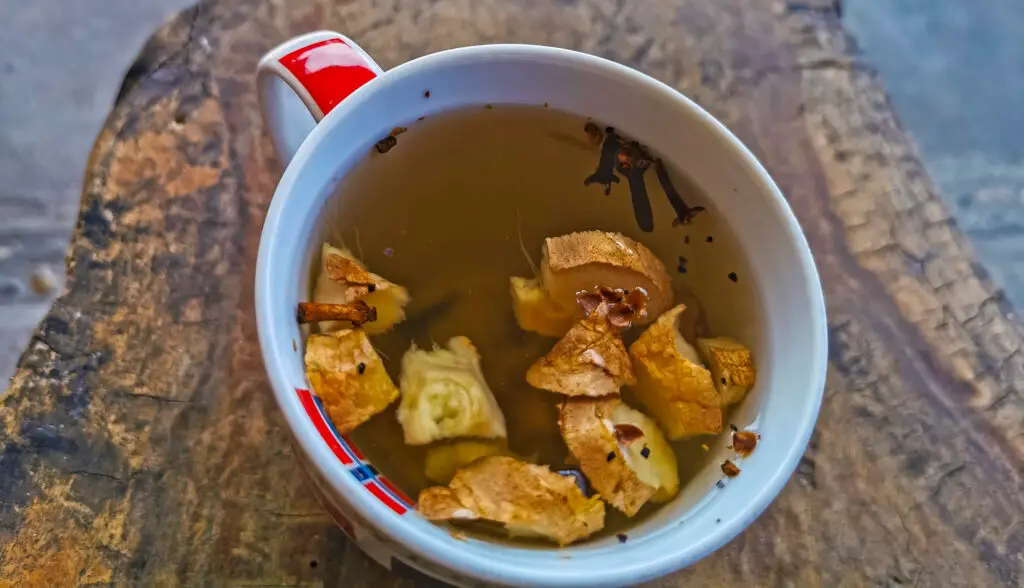
- Boil fresh ginger in water for 5-10 minutes.
- Drink the ginger water twice a day for a few days after unprotected sex.
Remember: Natural methods of birth control require careful planning, attention to detail, and self-discipline. If you’re considering using a natural method, it’s essential to consult with a healthcare provider to learn more about your options and to discuss the risks and benefits.
While these natural methods of preventing pregnancy can be effective for some, they are not as reliable as modern contraceptives. It’s important to understand that natural methods require discipline, consistent tracking, and an understanding of your body’s signals. If you’re considering natural birth control, you may want to consult with a healthcare provider to ensure that you’re using these methods correctly and to discuss other options that might be better suited for your needs.
Disclaimer:
The information provided in this blog post is for informational purposes only and should not be considered as medical advice. It’s crucial to consult with a healthcare professional for reliable and personalized guidance on contraception and reproductive health.